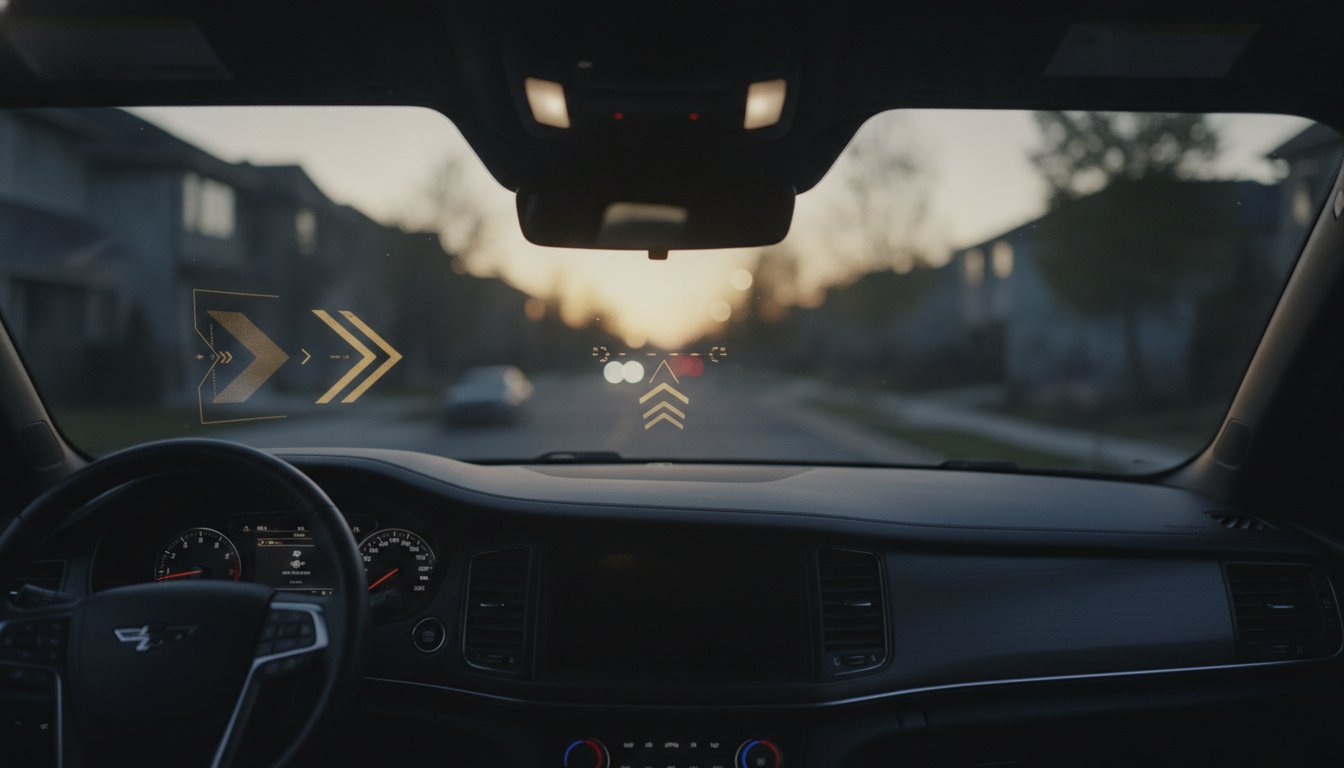
What if your windshield is actually a high-precision optical component rather than a simple sheet of glass? If you've received a quote for a new windshield recently, you might feel a sense of sticker shock. The windshield replacement cost with heads up display is often much higher than standard glass because of the specialized technology required to project data onto your field of vision. It's a complex system that demands precision to keep you safe on the road.
It's understandable to feel concerned when a repair estimate exceeds your expectations. You want to ensure your vehicle's safety systems and display clarity remain perfect. This guide clarifies the technical requirements of HUD-compatible glass, including the specialized wedge interlayers that prevent ghosting and double-imaging. We'll also cover the role of ADAS recalibration and how insurance typically handles these premium parts. You'll gain a clear understanding of why these specialized components are necessary and how to navigate the replacement process with confidence.
Key Takeaways
- Learn why HUD windshields require specialized "wedge" interlayers to eliminate ghosting and maintain a clear projection.
- Understand how technical optics and sensor integration drive the total windshield replacement cost with heads up display.
- Compare OEM and aftermarket glass options to ensure your replacement maintains the manufacturer's original optical specifications.
- Identify why ADAS recalibration is a mandatory step for restoring both safety features and display accuracy.
- Discover the benefits of using a professional service provider experienced in high-tech glass and sensor alignment.
Why HUD Windshield Replacement Costs More in 2026
Modern windshields serve as much more than a simple transparent barrier. For vehicles equipped with advanced display technology, the glass functions as a high-precision optical component. The primary factor driving the windshield replacement cost with heads up display is the specialized manufacturing required to create a functional projection surface. Unlike standard glass, HUD-compatible windshields are engineered to interact with light in a very specific way.
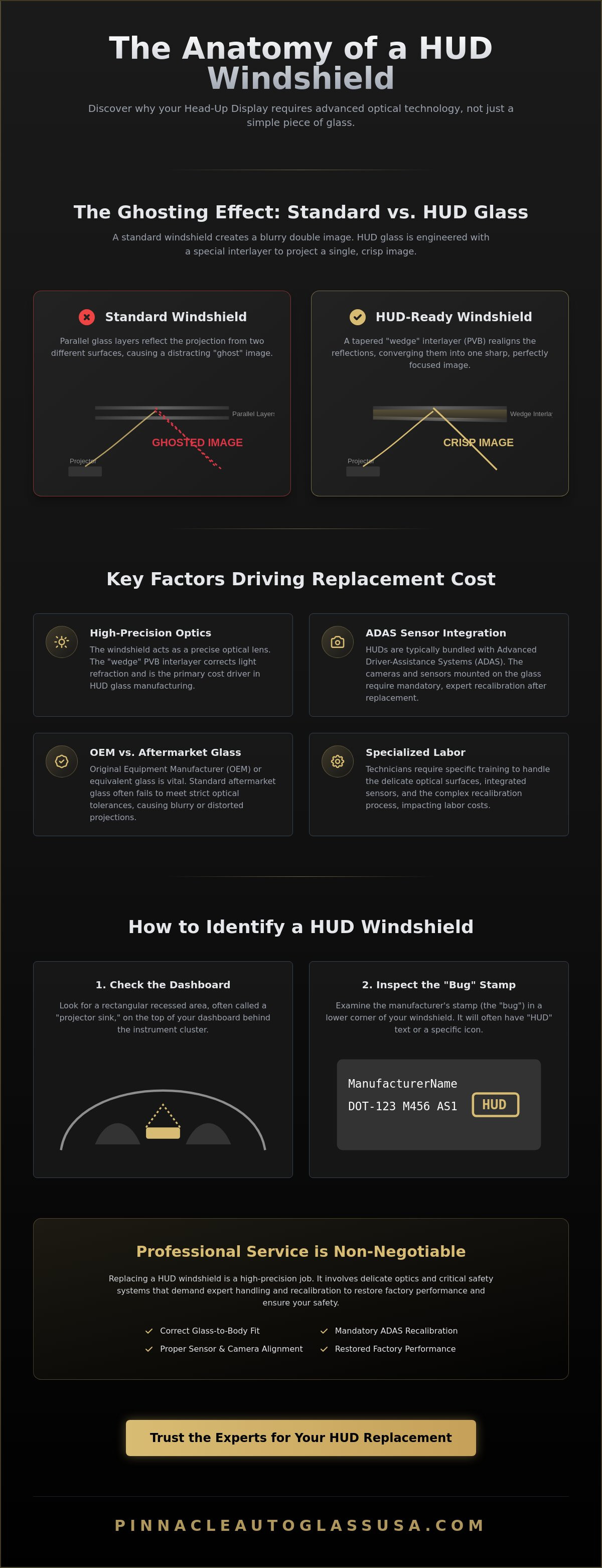
Standard automotive glass consists of two layers of glass bonded by a plastic interlayer. In a basic windshield, these layers are parallel. When a dashboard projector beams light onto parallel glass, the image reflects off both the inner and outer surfaces at slightly different angles. This results in "ghosting," where the driver sees a blurry or doubled image. To eliminate this, manufacturers use a tapered "wedge" interlayer. This non-parallel design ensures that reflections from both glass surfaces align perfectly into a single, crisp image. Producing these tapered layers requires extreme precision and specialized equipment, which significantly increases material costs.
The Role of the Windshield in Your Display System
An Automotive head-up display system relies on a complex relationship between the dashboard projector and the glass surface. The windshield must maintain a delicate balance between transparency and reflectivity. It needs to reflect enough light to make the display visible in bright sunlight while remaining clear enough to avoid obstructing the driver's view at night. This optical performance is a critical safety feature. By keeping navigation data and speed limits directly in the driver's line of sight, the system reduces the need to look away from the road. Any imperfection in the glass can distort this data, making the system a distraction rather than a safety aid.
Identifying a HUD-Equipped Windshield
Determining if your vehicle requires specialized glass is straightforward. First, look for a rectangular recessed area, often called a projector "sink," on the top of your dashboard behind the steering wheel. This houses the projection unit. You can also inspect the "bug" or glass stamp located in one of the lower corners of your windshield. Many manufacturers include a specific HUD icon or text label in this area to denote compatibility. It is also important to recognize that HUD functionality is rarely a standalone feature. It is typically bundled with other high-tech components. When calculating the windshield replacement cost with heads up display, you must also account for the cameras and sensors often mounted to the same glass panel.
The Specialized Optics of Head-Up Display Glass
The glass used in a vehicle with a projection system is a sophisticated optical lens. Standard windshields consist of two parallel layers of glass with a uniform plastic interlayer. If you project an image onto this standard surface, the light reflects off both the inner and outer glass plies at different points. This creates a distracting secondary image known as ghosting. Understanding How Head-Up Displays Work reveals that the glass must be specifically shaped to correct this light refraction. To solve this, manufacturers vary the thickness of the glass from top to bottom, creating a non-parallel profile that aligns the reflections into one crisp image.
Standard aftermarket glass often fails to meet these strict optical tolerances. If the glass curvature or thickness is off by even a fraction of a millimeter, the projected data will appear blurry or distorted. This technical requirement is a major factor in the windshield replacement cost with heads up display. Maintaining a clear line of sight requires a surface that is free from any optical deviations that could compromise the driver's focus.
PVB Interlayers and Image Clarity
The secret to a high-quality HUD image lies in the Polyvinyl Butyral (PVB) interlayer. In standard vehicles, this layer provides safety and sound dampening. In HUD-equipped models, the PVB is manufactured with a precise "wedge" shape. This tapered design ensures that the light rays reflecting off the front and back surfaces of the glass converge perfectly before they reach your eyes. The wedge interlayer is the primary cost driver in HUD glass production. Without this specialized component, the display becomes unusable, making expert windshield replacement essential for restoring factory performance.
Polarization and Night Driving Considerations
HUD glass also manages complex light conditions. Most projectors use polarized light to create a bright image. If the glass isn't properly treated, the display might disappear entirely when the driver wears polarized sunglasses. High-quality HUD glass includes specific treatments to maintain visibility regardless of your eyewear. Additionally, the curvature of the glass must be perfectly matched to the projector's focal point. Even a minor misalignment during mounting can cause the image to look tilted or out of focus. Precision mounting ensures the projection remains stable during night driving and in varying weather conditions, preventing eye strain and ensuring the system functions as intended.
OEM vs. Aftermarket: Choosing Glass for HUD Clarity
When calculating your windshield replacement cost with heads up display, the choice between OEM and aftermarket glass is the most significant variable. Original Equipment Manufacturer (OEM) glass is identical to the panel installed at the factory. It follows the precise blueprint of your vehicle's manufacturer, ensuring the optical "wedge" angle is exact. In contrast, aftermarket glass is designed to fit the frame but may not meet the rigorous optical tolerances required for a clear projection. Choosing the wrong glass type often results in a "ghosting" effect, where your digital speedometer or navigation instructions appear as a blurry double image.
This quality gap is particularly noticeable on premium vehicles where augmented reality overlays are part of the driving experience. Using non-spec glass can also impact your vehicle's resale value. Savvy buyers and dealerships often inspect the glass "bug" or stamp for the manufacturer's logo. If they find generic glass on a high-end model, it suggests that maintenance was performed with budget constraints rather than performance in mind. Because modern windshields are dramatically more complex to repair than older versions, opting for the highest quality glass is a sound long-term investment.
Why OEM is Highly Recommended for HUD
OEM glass provides guaranteed compatibility with your dashboard projector's specific focal point. Every vehicle model has a unique projection angle, and the glass must match this perfectly to prevent distortion. Beyond image clarity, OEM panels match the exact tint and light transmission levels of your factory glass. This is vital for the performance of the cameras and sensors mounted to the windshield. Using a panel with the wrong tint can lead to ADAS errors, as the system may struggle to "see" through the glass correctly in low-light conditions.
The Risks of 'Budget' HUD Glass
Choosing budget glass for a HUD-equipped vehicle carries several functional risks. You may notice that navigation arrows or speed limits look tilted or out of focus. This causes significant eye strain, as your brain constantly tries to resolve a distorted image while you focus on the road. There is also a financial risk. Some insurance providers may refuse to cover a second replacement if the first aftermarket choice fails to function correctly. It's often more cost-effective to use the correct part the first time than to deal with the frustration of a substandard display. High-quality glass ensures that your safety systems and display features work as the manufacturer intended.
For owners of high-performance European vehicles, maintaining these integrated systems is vital for long-term reliability. Specialists like Euro Performance Auto Shop LLC offer the technical expertise required to ensure that every aspect of your vehicle's advanced technology continues to meet original manufacturer standards.
ADAS Recalibration and Additional Cost Factors
The windshield is no longer just a window; it's a mounting platform for a suite of Advanced Driver Assistance Systems (ADAS). When evaluating the windshield replacement cost with heads up display, you must account for the specialized labor required to reset these systems. Most vehicles that feature a HUD also utilize front-facing cameras mounted behind the rearview mirror. These cameras control lane-keep assist, automatic braking, and adaptive cruise control. Because the HUD projects data based on the vehicle's specific pitch and position, any change in the glass requires a complete system reset to ensure the display and cameras are perfectly aligned.
Recalibration is mandatory whenever the glass is disturbed. There are two primary types of calibration: static and dynamic. Static calibration occurs in a controlled shop environment using specialized targets and laser levels. Dynamic calibration requires the technician to drive the vehicle at specific speeds on well-marked roads to teach the camera how to interpret the environment. Some modern vehicles require both procedures. Beyond the display itself, other features like rain sensors and heated glass elements add complexity to the part and the installation process, further influencing the final service price.
The Mandatory Nature of ADAS Recalibration
Precision is the most critical factor in modern glass service. The camera and the HUD must be perfectly synced with the vehicle's chassis. Even a 1-degree offset in the camera's mounting angle can result in a significant error down the road. For example, a minor misalignment could cause your emergency braking system to react to a phantom object or fail to detect a vehicle in your lane. To learn more about the specific technical steps involved in this process, review our guide on ADAS calibration auto glass. Ensuring these systems are aligned isn't optional; it's a safety requirement.
Insurance Coverage for HUD Windshields
Many drivers are surprised to learn that their insurance policy often covers the premium cost of high-tech glass. If you have "Full Glass" coverage, your provider may cover the entire windshield replacement cost with heads up display, often with a zero-dollar deductible. However, standard comprehensive policies might apply a deductible first. It's important to advocate for OEM glass during the claims process, especially when a HUD is involved. Insurance companies may initially suggest aftermarket parts, but you can insist on OEM glass by highlighting the technical requirements for optical clarity. You can find more details on managing the claims process in our article on windshield replacement.
Our team provides the precision required for high-tech vehicles. Schedule your windshield replacement and ADAS recalibration to ensure your safety systems are fully restored.
Professional HUD Windshield Solutions with Pinnacle Auto Glass
Pinnacle Auto Glass operates as a premier provider for modern automotive glass needs. We focus on the high-tech requirements of today's vehicles, serving both individual owners and commercial fleets. Replacing a windshield today involves more than just fitting a glass panel. It requires a deep understanding of how specialized glass interacts with your vehicle's computer systems. Our technicians are trained to handle the specific complexities of HUD-equipped vehicles, ensuring every installation meets manufacturer standards. We prioritize quality and reliability to protect your investment and your safety.
The windshield replacement cost with heads up display reflects the specialized equipment and training needed for a successful repair. We provide a comprehensive service that covers every technical requirement. Our approach includes:
- Precise alignment of the glass wedge with the dashboard projector.
- Full ADAS recalibration to restore lane-keep and braking systems.
- High-quality glass that meets or exceeds OEM specifications.
- Professional coordination with insurance providers to manage tech-heavy claims.
Our Technical Approach to High-Tech Glass
We treat every high-tech windshield as a precision optical lens. Our installation process ensures the dashboard projector aligns perfectly with the internal wedge of the glass. This prevents the distorted or blurry images often found with substandard installations. Once the glass is set, our certified specialists perform the necessary ADAS recalibration. This step is vital for ensuring your safety sensors communicate correctly with the new glass. We also streamline the insurance process. Our team understands the documentation required for premium glass and recalibration services. We handle the billing complexities so you can focus on getting back on the road.
Ready for a Professional HUD Replacement?
A compromised windshield shouldn't mean a compromised driving experience. If you are dealing with a cracked or pitted HUD windshield, don't settle for blurry displays or unreliable safety features. Choose an expert auto glass partner that understands the technical demands of 2026 vehicle technology. We offer the precision and expertise needed to restore your vehicle to its factory state. Our team handles the entire process, from sourcing the correct glass to finalizing the system alignment. Experience the difference that professional standards make for your vehicle. Contact us today for a quote that includes full tech integration and professional recalibration. Let us simplify the windshield replacement cost with heads up display for you.
Restore Precision to Your Vehicle Today
Maintaining your vehicle's display technology requires more than a simple glass swap. You now understand how the specialized wedge interlayer prevents ghosting and why ADAS recalibration remains a critical safety requirement. Choosing high-quality glass ensures your navigation and speed data stay crisp while protecting your car's long-term value. While the windshield replacement cost with heads up display is higher than standard glass, the precision it provides is essential for modern road safety. Substandard parts can lead to eye strain and sensor failure; professional installation is a necessity rather than an option.
Pinnacle Auto Glass provides the expertise needed for these sophisticated systems. Our team of Certified ADAS Recalibration Specialists brings extensive experience with luxury and fleet HUD systems to every project. We utilize a nationwide service network to deliver reliable, high-standard repairs regardless of your location. Get a Professional HUD Windshield Quote from Pinnacle Auto Glass today. Restore your vehicle's clarity and drive with total confidence.
Frequently Asked Questions
Is a special windshield required for a Heads-Up Display?
Yes, a specialized windshield is necessary for any vehicle using a projection system. Standard glass has parallel surfaces that cause light to reflect twice, creating a blurry image. HUD-compatible glass features a tapered wedge interlayer that aligns these reflections into a single, crisp display. This specialized manufacturing is a primary reason for the higher cost associated with these glass panels.
Why does my HUD look blurry after a windshield replacement?
Blurriness usually indicates that a standard or low-quality aftermarket windshield was installed instead of a HUD-compatible one. Without the specific wedge shape, the light reflects off the inner and outer glass surfaces at different angles. This causes the image to appear out of focus. It can also happen if the ADAS cameras were not properly recalibrated during the installation process.
Can I use a standard windshield if I don't care about the HUD?
You can physically fit a standard windshield, but it is not recommended for modern vehicles. Beyond losing the HUD functionality, these vehicles often bundle the display with safety sensors like cameras and rain detectors. A standard panel may interfere with these critical ADAS features, leading to system errors or safety failures. It's always better to maintain the vehicle's original technology for safety and resale value.
How much more does a HUD windshield cost than a regular one?
A HUD-compatible windshield typically costs significantly more than a standard panel due to the specialized manufacturing process. The windshield replacement cost with heads up display is higher because it requires a non-parallel interlayer and often includes mounting brackets for ADAS cameras. These factors contribute to the premium price compared to basic glass. You should also factor in the labor for recalibrating the sensors.
Will my insurance cover the cost of an OEM HUD windshield?
Most comprehensive insurance policies cover the windshield replacement cost with heads up display, though coverage for OEM parts depends on your specific policy. Many insurers prefer aftermarket glass to save costs. However, you can often advocate for OEM glass by demonstrating that it's necessary for the HUD and safety systems to function correctly. Check your full glass coverage options to see if your deductible is waived.
Does the HUD need to be recalibrated after the glass is replaced?
Yes, recalibration is a mandatory step for any vehicle with a HUD and front-facing cameras. The system must be perfectly aligned with the new glass to ensure the projection sits correctly in your line of sight. This process also ensures that lane-keep assist and emergency braking systems are functioning with 100% accuracy. Skipping this step can compromise your safety features and display clarity.
What is 'ghosting' on a windshield?
Ghosting is a visual distortion where the driver sees a doubled or blurry image on the display. This happens when the projector light reflects off both the inner and outer layers of a standard windshield. HUD-specific glass uses a tapered interlayer to merge these reflections into a single, sharp image. Without this technology, the display becomes a distraction rather than a helpful safety tool.
Can a HUD windshield be repaired instead of replaced?
Small chips or cracks can often be repaired if they are not located directly in the HUD projection area. If the damage sits within the field of vision for the display, a full replacement is usually required. Repairs in the projection zone can cause permanent distortion or rainbow effects that distract the driver. It's best to have a professional technician assess the location of the damage before deciding.


